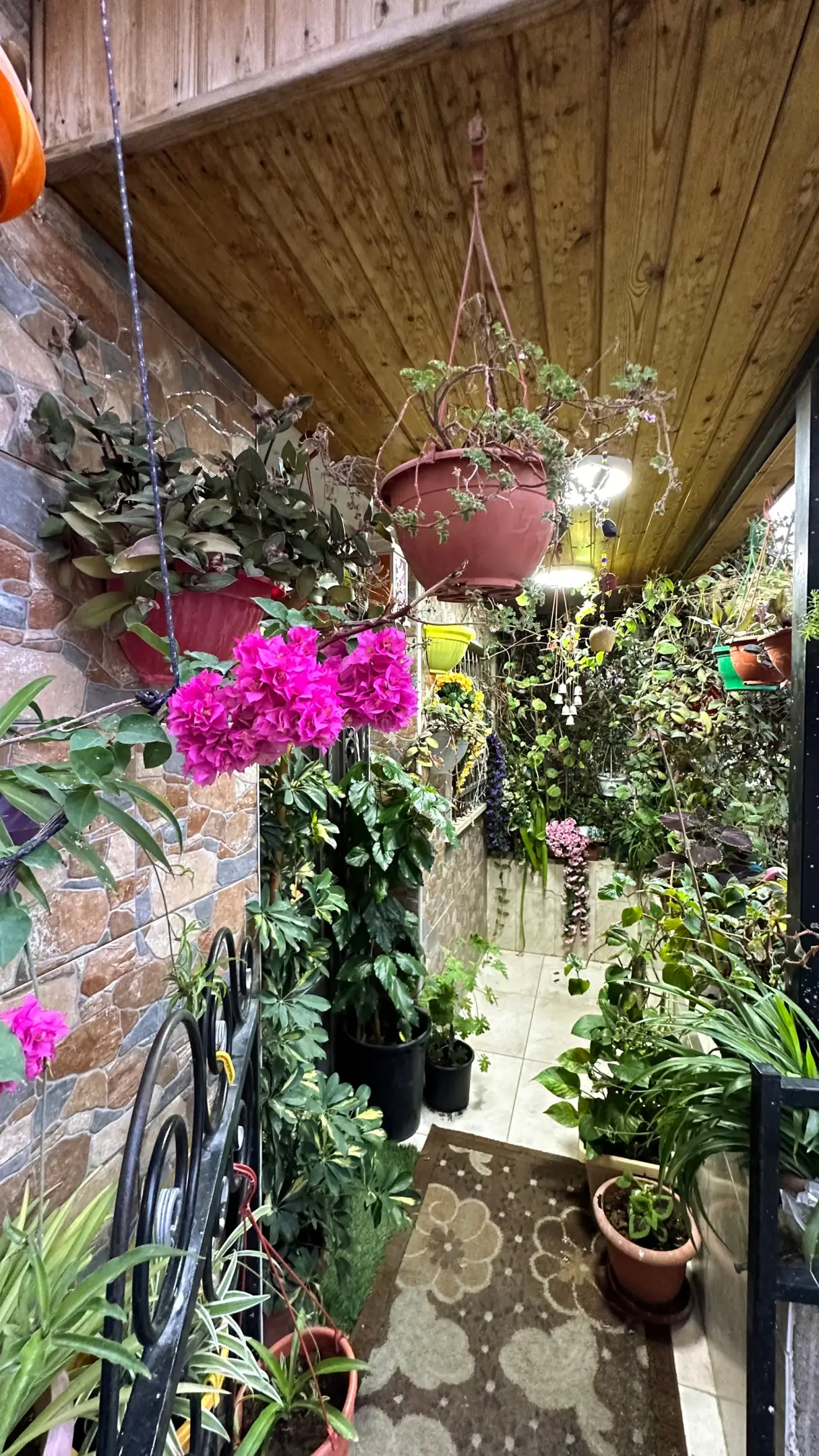
Displaced communities in the West Bank plant gardens, fostering healing and mental wellbeing. Garden in Dheisheh Refugee Camp, West Bank.

Photo: Nizar ALayasa, 2023

Beauty in the Built Environment as Survival Infrastructure

Neuroaesthetics: How the arts and aesthetic experiences advance health, wellbeing, and learning

  • beauty in the built environment
  • beautification
  • third-realm beauty
  • displacement
  • survival infrastructure
  • Maslow’s Hierarchy of Needs
  • neuroaesthetics
  • neuroplasticity
  • hippocampal memory
  • hope
  • healing
  • dignity
  • cultural identity
  • collective power
  • creative resistance
  • humanitarian practice

Summary

Note: This presentation was delivered by Dr. Devora Neumark as a solo presenter at Johns Hopkins University for the “Neuroaesthetics: How the arts and aesthetic experiences advance health, wellbeing, and learning” event.

Delivered to neuroaesthetics students at Johns Hopkins University on October 9, 2025, this presentation by Dr. Devora Neumark argued that beauty in the built environment functioned as survival infrastructure in displacement contexts, not as decoration or luxury. Grounding the argument in the neuroaesthetics research familiar to the audience, Dr. Neumark demonstrated through three interconnected shifts how aesthetic engagement regulated amygdala-driven fear responses, supported prefrontal cortex functioning necessary for imagining a future, and enabled hippocampal memory consolidation and neuroplasticity. Case studies from Palestinian refugee camps in the West Bank, owner-driven reconstruction in flood-affected Sindh, Pakistan, and Casa Pintada’s collaborative house-painting across 44 neighbourhoods in Colombia illustrated how beauty increased hope and healing, restored dignity and cultural identity, and built collective power. The presentation concluded by introducing the BRIGHTER Project at Kakuma Refugee Camp in Kenya as a forthcoming refugee-led art and beautification initiative.

Key Takeaways

This presentation made the neurological case for beauty as survival infrastructure to an audience already trained in neuroaesthetics. When residents in Palestinian refugee camps in the West Bank garden in plastic containers on balconies and at entrances, they are engaging processes their neighbours on the street can feel: aesthetic engagement pulls the body into present-moment awareness, reduces amygdala-driven fear responses, and supports prefrontal cortex functioning necessary for imagining a different future. Acts of beautification become neurological infrastructure for hope, allowing trauma to be sensed, processed, and integrated rather than suppressed.

Maslow’s Hierarchy of Needs has led humanitarian systems to treat aesthetics as non-essential, normalising bare, standardised spaces that may sustain life but undermine recovery and imagination. In displacement contexts, however, needs are dynamic, collective, and simultaneous; dignity and meaning cannot wait until shelter is secured. Critically, Maslow’s framework entirely overlooked aesthetic experience, a gap that neuroaesthetics research has since demonstrated to be a serious omission with measurable consequences for wellbeing.

Beauty restores dignity, memory, and cultural identity by functioning as a bridge between past, present, and future. In flood-affected Sindh, Pakistan, nearly 2,000 local craftspeople were trained to rebuild disaster-resilient homes infused with traditional Sindhi design. Shabeeran Bibi described receiving not just shelter but dignity and peace of mind, while Raza Muhammad noted that the training gave his community not just walls but their dignity back. Neurologically, when homes reflect culture and personal meaning, they act as forms of environmental enrichment that support neuroplasticity and strengthen narrative continuity.

Built environments shape memory consolidation and identity formation through hippocampal and sensory pathways. Spatially embedded cultural meaning triggers autobiographical memory, reinforces belonging, and enables displaced individuals to reclaim authorship over their lives and futures. This is environmental enrichment in its most meaningful form: spaces that reflect identity, culture, and self-determination rather than mere technical provision.

Shared aesthetic labour builds collective power, as demonstrated by Casa Pintada in Colombia, where displaced Venezuelans and host community members co-painted homes across 44 neighbourhoods using techniques inspired by Indigenous Zenú traditions. Post-programme surveys reported that 95% of participants experienced increased trust and solidarity. The neuroaesthetics explanation is precise: shared creative acts activate reward circuitry and oxytocin-linked bonding, transforming fractured neighbourhoods into communities of belonging.

Implications for Practitioners

  • Recognise aesthetics as neurological and psychosocial infrastructure in humanitarian response: Humanitarian agencies should integrate aesthetic considerations into shelter standards, funding allocations, and programme design from the outset, recognising that colour, texture, light, and opportunities for personalisation directly regulate fear responses, support trauma processing, and enable hope. Monitoring frameworks should include qualitative indicators of belonging and emotional safety alongside material outputs, reflecting the neuroaesthetic evidence that beauty shapes recovery trajectories from the moment people enter a space.
  • Design displacement housing for environmental enrichment and neuroplasticity: Urban planners and architects should design displacement housing and transitional settlements with built-in flexibility for cultural expression, modification, and environmental enrichment, providing adaptable façades, communal spaces for shared creative work, and opportunities for residents to shape spatial identity over time. Built environments should be understood as active contributors to hippocampal memory consolidation, neurological regulation, and social cohesion, not neutral containers for survival.
  • Adopt holistic policy frameworks that treat dignity and aesthetics as inseparable from survival: Policymakers should move beyond hierarchical, survival-first models rooted in Maslow’s framework and adopt holistic standards that treat dignity, belonging, and aesthetic experience as simultaneous rather than sequential components of recovery. National shelter guidelines and urban inclusion policies should explicitly recognise beauty as part of humane living conditions, reframing refugee response from temporary containment toward long-term integration and justice.
  • Facilitate participatory design that centres displaced people as co-creators: Community organisations and NGOs should facilitate participatory design and beautification initiatives that centre displaced people as co-creators rather than beneficiaries, following the Casa Pintada model where residents selected colours and symbols meaningful to their own cultural contexts. Shared aesthetic projects such as murals, gardens, façade painting, and public art should be structured as ongoing processes rather than one-time events, recognising that the social bonding generated through shared creative labour is itself a measurable outcome.
  • Apply neuroaesthetics expertise to advance the evidence base for beauty as survival infrastructure: Researchers, clinicians, and practitioners trained in neuroaesthetics are uniquely positioned to generate and translate the evidence needed to reframe beauty as survival infrastructure in displacement contexts. This means designing studies that measure the neurological and psychosocial impact of aesthetic interventions in crisis settings, communicating findings in ways that inform humanitarian policy and shelter design, and actively challenging the assumption that aesthetics are peripheral to recovery. The neuroscience of fear regulation, prefrontal cortex functioning, hippocampal memory consolidation, and oxytocin-linked social bonding documented in this presentation offers a rigorous foundation for advocacy that goes well beyond intuition or sentiment.